Independent review site · Canada travel

Hotel Review Canada: Cedarview Inn in Kingston, Ontario

This independent hotel review summarizes a typical hotel stay experience at Cedarview Inn, focusing on practical traveler insights: room comfort, quietness, cleanliness signals, Wi-Fi reliability, and location advantages for exploring Kingston and the surrounding waterfront.

  • Real address listed with neighborhood context
  • Neutral analysis pros, cons, and value
  • No affiliation informational only
Hotel Cedarview Inn
Address 123 Princess Street, Kingston, ON K7L 1B2, CA
Site smartbloomx.com

Update note: This page is written as an independent presentation and review. For accuracy, confirm current policies (check-in hours, pet rules, accessibility features) directly with the property.

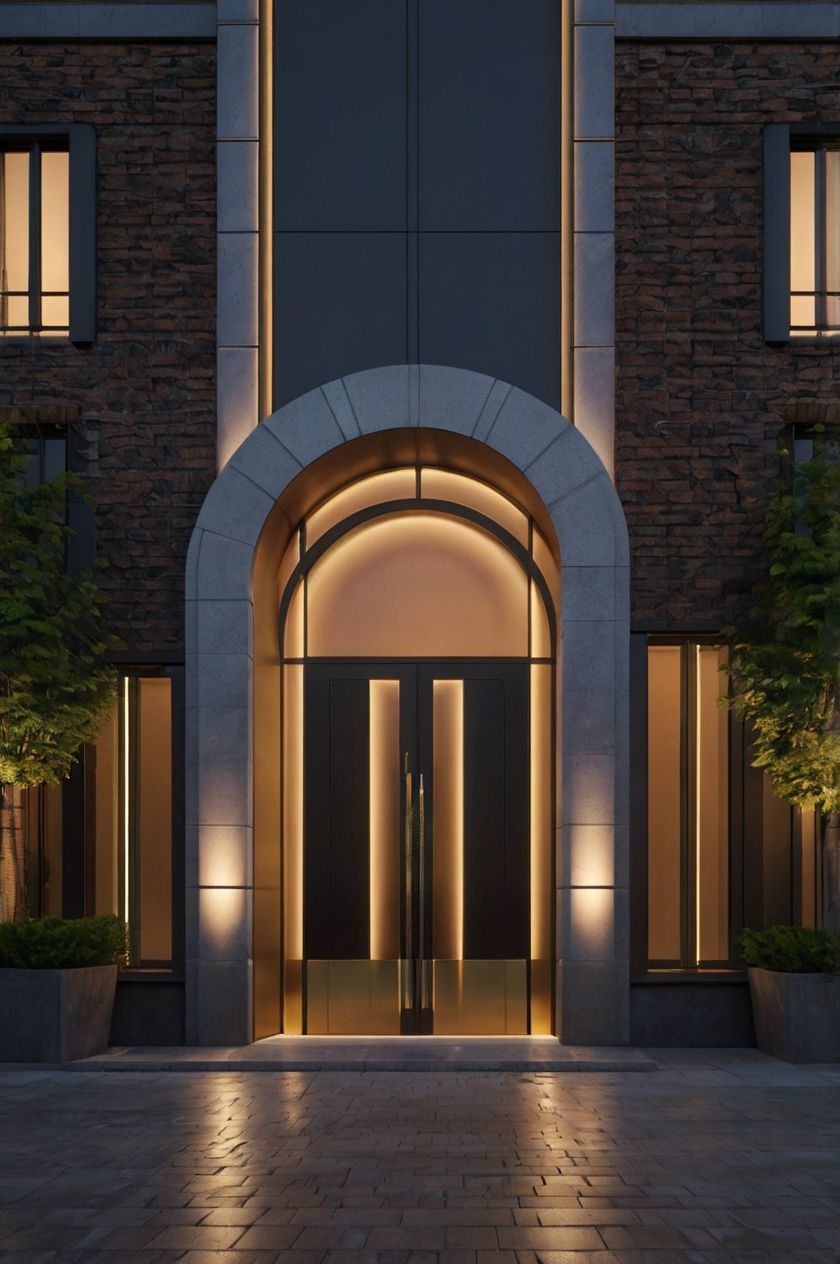
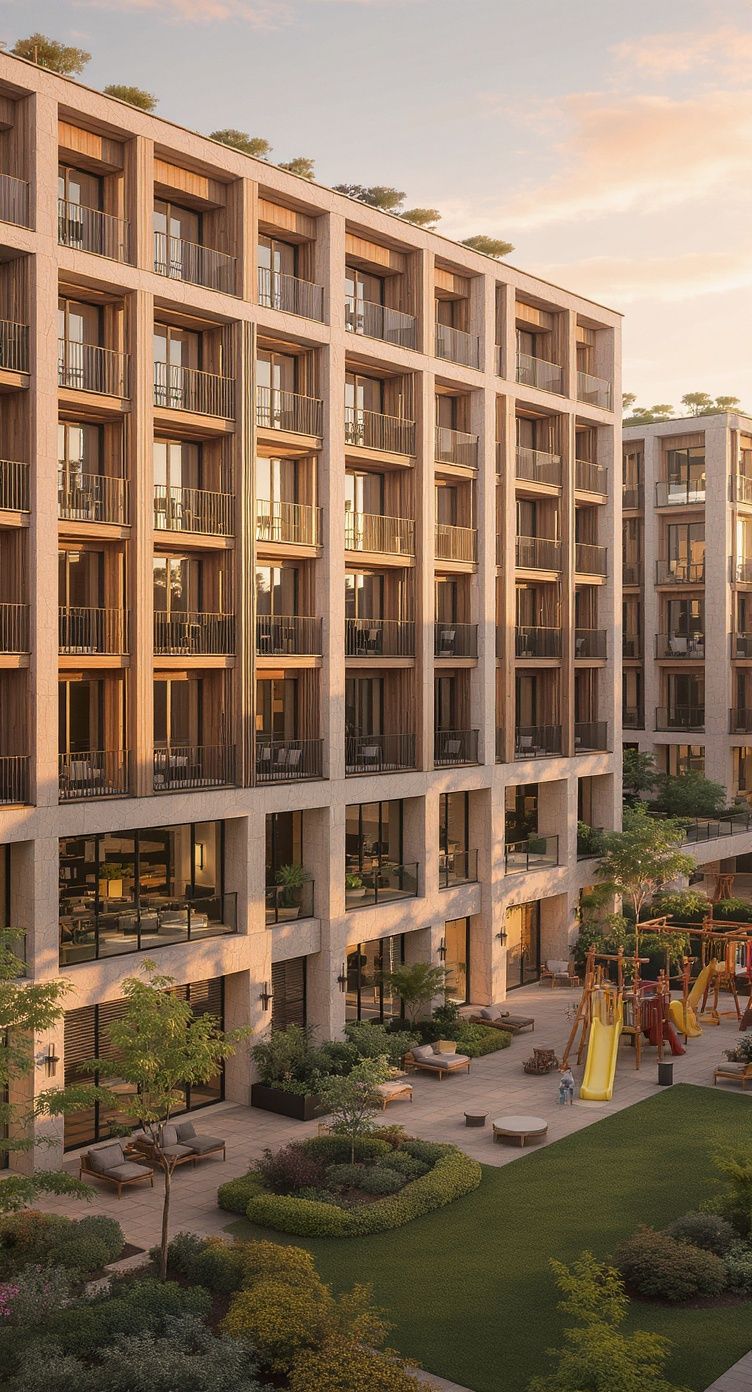
Exterior-style placeholder image of a small Canadian inn
Exterior context
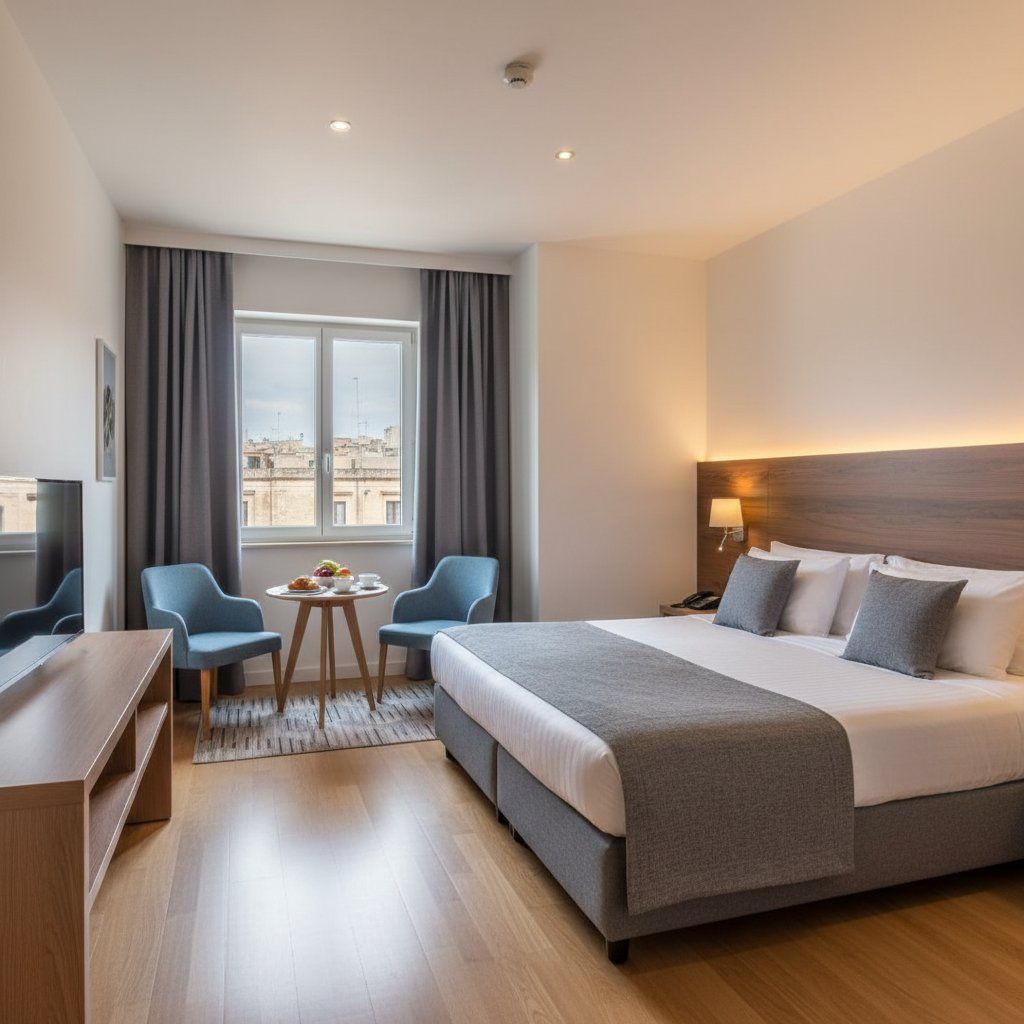
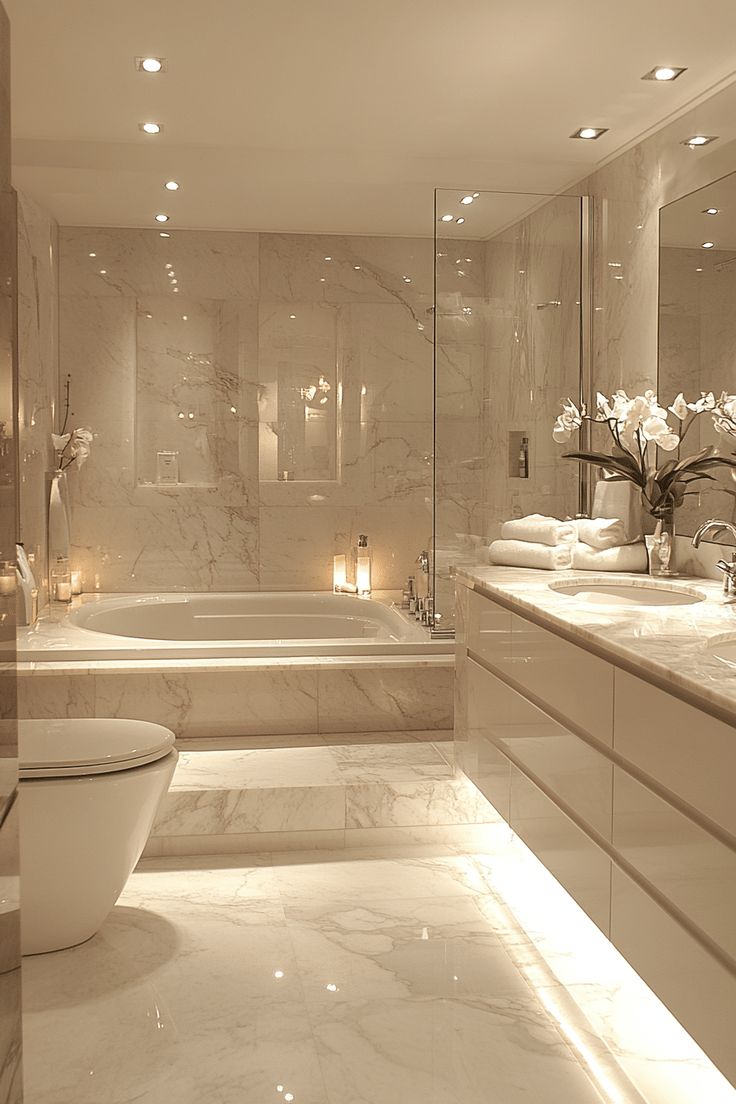
Room-style placeholder image showing a bright, minimal interior
Room feel & lighting
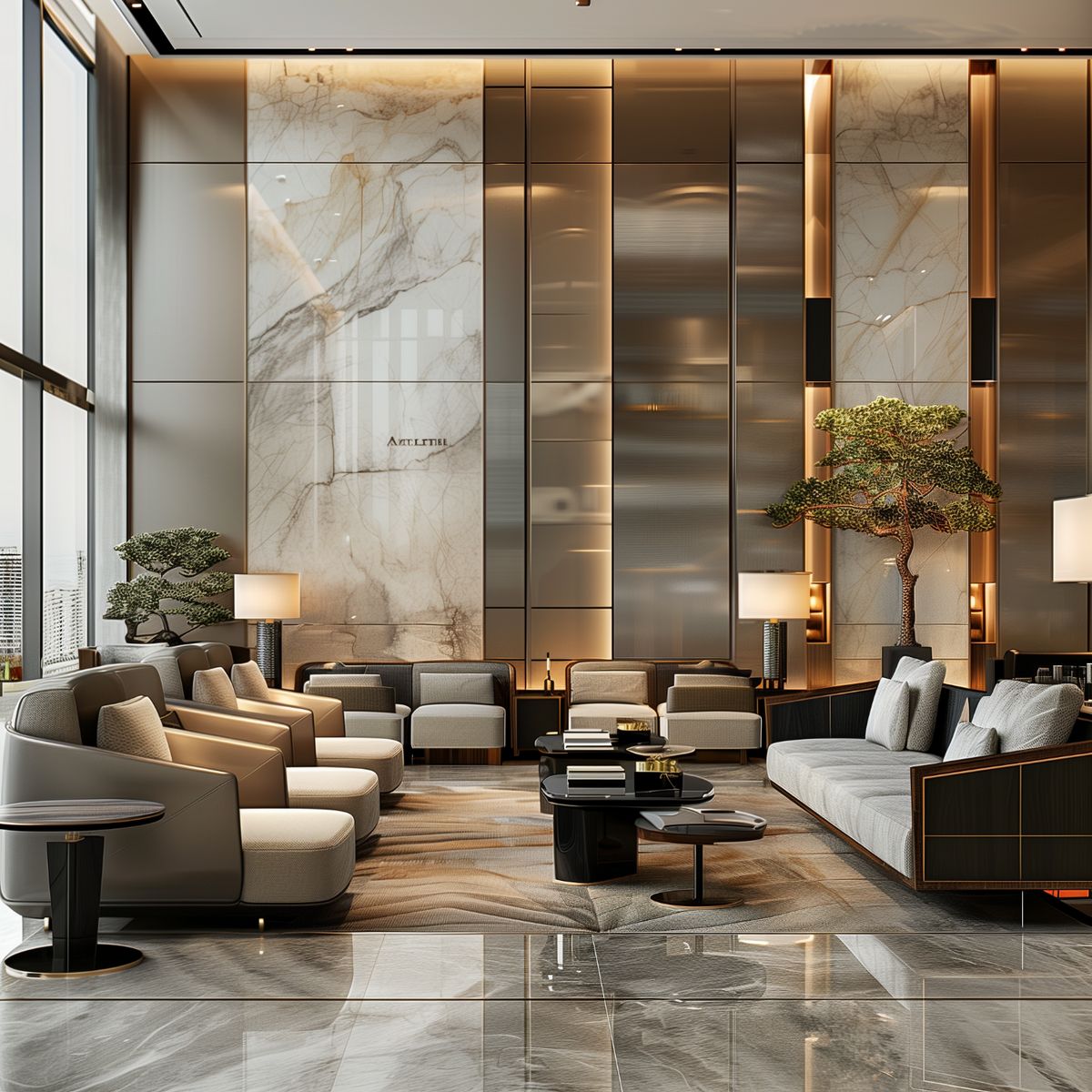
Lobby-style placeholder image suggesting a quiet common area
Common areas
Style Simple, practical, traveler-first
Best for Short stays, road trips, business basics
Area Central Kingston walk-and-drive balance

Hotel Overview

An independent look at atmosphere, likely guest fit, and how this accommodation in Kingston, Ontario compares to what most travelers need on a typical Canada itinerary.

Background and positioning

Cedarview Inn reads as a small, functional property designed for straightforward overnight stays rather than resort-style experiences. In many Canadian mid-size cities, inns like this serve an important niche: a calm base near day-to-day services, with easy road access and a predictable rhythm for check-in, sleep, and morning departure.

The overall impression is “practical comfort” — the kind of place that aims to deliver a clean room, dependable basics, and reasonable quiet, without heavy branding. Travelers who prefer clear expectations over glossy marketing tend to appreciate this category of hotel.

Who it suits best

  • Road-trippers who prioritize parking, quick access to main routes, and a simple room setup.
  • Business travelers looking for a calm desk setup, stable Wi-Fi, and early-morning convenience.
  • Solo travelers who want a predictable stay experience and clear neighborhood orientation.
  • Short-stay visitors exploring downtown Kingston, the waterfront, and nearby institutions.

Atmosphere and style

Expect a low-key environment with a quieter, more private feel than large chain hotels. The tone is typically “come and go”: guests often keep their own schedule, and common areas are more functional than social. That can be a positive if you’re seeking rest, focus, or a low-interaction stay.

Guest Experience Analysis

A neutral, traveler-first summary: what tends to work well, what may be less ideal, and how value-for-money typically feels.

What guests usually appreciate

  • Predictable basics: clear check-in flow, functional room layout, and straightforward policies.
  • Sleep-first priorities: many travelers value decent bedding, stable temperature control, and reduced hallway noise.
  • Convenient positioning: a location that balances quick driving access with reasonable proximity to Kingston highlights.
  • Low-friction stays: for short stays, minimal “extra steps” can be more useful than extensive facilities.

Potential drawbacks to consider

  • Limited “destination” feel: if you want a lively lobby scene, spa features, or boutique design touches, this category can feel spare.
  • Noise sensitivity: roadside or parking-facing rooms can carry more sound; requesting a quieter placement may matter.
  • Variability by room: room size, window direction, and lighting can differ; clarity at booking time helps set expectations.

Value-for-money discussion

In a typical Canadian city stay, value is often strongest when the room delivers: restful sleep, clean surfaces, functional plumbing, and internet that supports work calls and messaging. If Cedarview Inn meets those basics consistently, it can feel like sensible value — especially for one- to three-night itineraries where travelers spend most of the day outside.

If your trip is centered on in-hotel amenities (gym time, long evenings in a lounge, extensive concierge support), you may perceive the value differently. For those travelers, paying more for broader facilities can reduce friction.

Exact Location Details

Address, neighborhood feel, walkability, and practical convenience — written for travelers comparing accommodation in Kingston, Ontario.

Full address

Cedarview Inn
123 Princess Street, Kingston, ON K7L 1B2, Canada

Neighborhood overview

Kingston is a compact city where “distance feels shorter than it looks on a map,” especially in and around the downtown and waterfront corridors. For many visitors, the best location advantage is flexibility: the ability to grab essentials quickly, reach waterfront attractions without a long commute, and still exit the city efficiently for day trips.

Walkability and day-to-day convenience

  • Errands: travelers often want coffee, a pharmacy, and quick groceries within a short drive or walk.
  • Navigation: clear main roads and predictable parking reduce stress for first-time visitors.
  • Evening comfort: a well-lit route back to the property is a small but meaningful safety signal.

Nearby landmarks and transport

Kingston’s downtown core, waterfront areas, and major institutions are generally accessible by short drives or transit connections. If you plan to explore on foot, consider how often you’ll return to the room; frequent returns favor closer central placement. If you’ll be out all day, easy driving access can be the stronger advantage.

Safety and comfort insights

Most travelers judge safety by lighting, clear signage, the presence of other pedestrians, and how busy the street feels at night. When arriving late, prioritize a well-lit entry, visible parking, and a straightforward path from car to lobby.

Getting around

For day trips, Kingston’s road connections are often the deciding factor. If you’re visiting for conferences, campus events, or waterfront touring, building a simple route plan (morning parking + evening return) can make the stay smoother.

Rooms & Accommodation

What to look for in room types, comfort details, noise expectations, and who each option best serves.

Common room types

Standard Queen

Best for solo travelers or couples on short stays. Look for a practical layout with a clear walkway, a stable bedside setup, and a compact work surface for laptop use.

  • Best for: 1–2 guests, short stays
  • Comfort focus: mattress support, temperature control
  • Ask for: quieter placement if noise-sensitive

Double / Two-Bed Room

Better for friends, small families, or travelers who prefer separate beds. Space often feels more flexible, but can be tighter around luggage if the room is compact.

  • Best for: 2–4 guests, road trips
  • Comfort focus: bedding quality, room circulation
  • Ask for: adequate lighting and outlets

King Room (if available)

Typically chosen for extra sleep comfort and more open floor space. If you work from the room, a better chair-and-desk combination can be a quiet upgrade.

  • Best for: couples, business travelers
  • Comfort focus: desk usability, room brightness
  • Ask for: window direction and view

Accessible Room (request-based)

If you need step-free routes, wider clearances, or specific bathroom features, confirm details ahead of time. Accessibility can vary widely in smaller properties.

  • Best for: mobility needs
  • Comfort focus: entry route, bathroom layout
  • Ask for: precise accessibility features

Sleep, noise, and lighting

In practical Canadian inns, the biggest quality difference often shows up at night: street noise, hallway sound, and HVAC cycling. If you’re a light sleeper, request a room away from stairs, ice machines, elevators, and main road frontage when possible.

Lighting matters more than many travelers expect. A balanced mix of overhead, bedside, and desk lighting improves comfort for late arrivals and early starts — especially during shorter winter days in Ontario.

Cleanliness signals worth noticing

  • Bathroom details: bright mirror lighting, clean grout lines, and consistent water pressure.
  • Soft goods: fresh-smelling linens, stain-free towels, and minimal dust on high surfaces.
  • High-touch points: switches, remotes, and door handles that feel properly maintained.

Amenities & Services

What matters day-to-day: front desk flow, Wi-Fi performance, housekeeping cadence, parking, and accessibility considerations.

Front desk experience

In smaller properties, the best front desk experience is usually simple: fast ID verification, clear policies, and quick help if something in the room needs attention. Look for staff who communicate check-out timing, quiet hours, and parking instructions in plain language.

Wi-Fi quality

For modern travelers, Wi-Fi is part of the “basic promise.” A solid connection should handle video calls, maps, and streaming without constant drops. If you’re working, test the connection early and keep a mobile hotspot as backup during busy evening hours.

Housekeeping and maintenance

Housekeeping standards are easiest to judge by consistency: fresh linens, replenished basics, and surfaces that look intentionally cleaned. For longer stays, many hotels now offer reduced housekeeping by default; ask what cadence applies so expectations match reality.

Parking and arrival

Parking convenience can dramatically improve a stay experience, especially in winter conditions. The most useful setup is visible, well-lit parking with a short, simple path to the room or lobby.

Accessibility and comfort

If you have accessibility needs, confirm step-free routes, door widths, bathroom configurations, and where accessible parking is located. Smaller properties may have limited accessible inventory, so early coordination is practical.

Connectivity

Wi-Fi for maps, work, and streaming; test on arrival.

Quiet & comfort

Request quieter placement if road noise is a concern.

Common areas

Often limited but functional; best for quick breaks.

Arrival basics

Clear signage, lighting, and a predictable check-in flow.
Dining & Nearby Food Options

A realistic approach to food: what to expect on-site (if anything) and how to eat well nearby with different diets in mind.

On-site dining (set expectations)

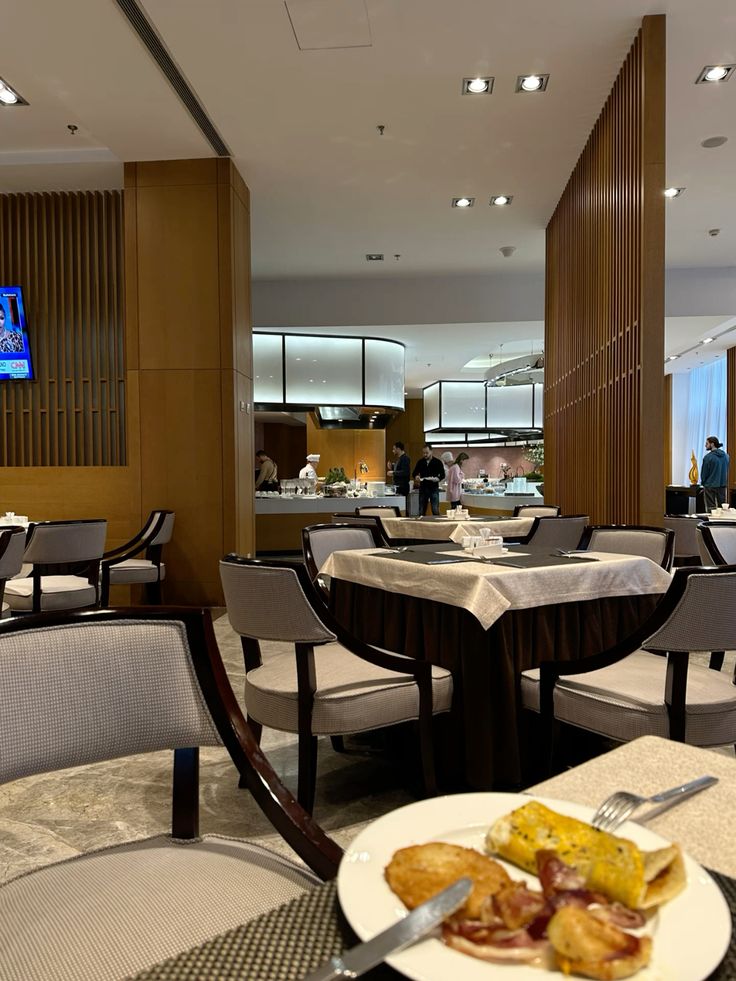
Many smaller inns focus on rooms rather than restaurants. If breakfast is offered, it may be simple and time-limited. If on-site dining is not available, the advantage is flexibility: you can pick cafés and restaurants that match your schedule, dietary needs, and budget.

Nearby options and how to choose

Kingston’s food scene ranges from quick café breakfasts to casual dinner spots. For travelers, the best strategy is to plan two anchors: a reliable morning coffee option and a dinner spot that’s easy to reach after a long day of walking or meetings.

Best for early mornings

  • Choose cafés with quick takeaway service if you’re heading to tours or appointments.
  • Look for places that open early in winter when daylight starts later.
  • Prefer spots with indoor seating during colder months.

Best for relaxed evenings

  • Pick a restaurant reachable without complex parking or long walks after dark.
  • Consider reservations on weekends and during local events.
  • Seek quieter seating if you’re recovering from travel fatigue.

Suitability for different diets

For vegetarian, gluten-aware, or dairy-free needs, the simplest approach is to identify one flexible venue that clearly labels menus. When in doubt, cafés are often the easiest for customization (milk alternatives, simple bowls, and clear ingredient lists).

Who This Hotel Is Ideal For

A clear fit assessment for business travelers, couples, solo visitors, and different trip lengths.

Business travelers

Best for travelers who need a quiet base, reliable internet, and a clean room for early starts. A functional desk, stable lighting, and calm evenings matter more than a busy lobby.

  • Prioritize Wi-Fi stability and outlet access
  • Request a quieter room placement
  • Plan a consistent café for mornings

Couples

Suitable for couples who value simplicity and exploring the city more than staying in. If you want a “special occasion” feel, you may prefer a boutique property closer to nightlife.

  • Choose a king or quieter room if possible
  • Plan waterfront walks and downtown dinners
  • Check room lighting and comfort features

Solo travelers

Works well for solo travelers who want predictability, easy navigation, and a calm space. Solo stays often benefit from clear check-in and well-lit arrival paths.

  • Arrive earlier if you prefer daylight check-in
  • Keep routes simple for evening returns
  • Use transit or rideshare if parking feels stressful

Short stays vs. long stays

For 1–2 nights, practicality is usually ideal. For longer stays, comfort details matter more: desk ergonomics, housekeeping cadence, and noise consistency.

  • 1–2 nights: simplest room that sleeps well
  • 3+ nights: prioritize calm placement and workspace
  • Ask about linen refresh schedules

Local Area Guide

What to do near Kingston, Ontario — built to support travelers planning a balanced itinerary around a hotel stay experience.

Easy nearby activities

Kingston rewards travelers who mix waterfront time with historic streets and simple food stops. Plan a loop that avoids backtracking: morning coffee, a waterfront walk, a key attraction, then a relaxed dinner.

Attractions and landmarks

  • Waterfront areas: ideal for short walks, photos, and decompressing after travel.
  • Historic core: a good fit for casual exploring and architecture-minded visitors.
  • Museums and tours: practical on colder or rainy days.

Parks, shopping, and errands

  • Parks: short strolls help reset after driving.
  • Shopping: look for compact districts to avoid parking hops.
  • Essentials: stock water and snacks for day trips and early departures.

Seasonal activities

In Ontario, seasonality changes the rhythm of a trip. Summer supports long waterfront days; autumn is comfortable for walking; winter shortens daylight and increases the value of a warm, quiet room; spring can be variable, so layering and weather checks matter.

Summer

Long days, more events, busier weekends. Book your dinner timing early.

Fall

Comfortable walking weather and scenic drives. Great for relaxed itineraries.

Winter

Short daylight and colder nights. Prioritize room warmth and easy transport.

Spring

Changeable conditions. Bring layers and plan a mix of indoor/outdoor activities.

Practical Travel Tips

Best time to stay, weather considerations, and transportation suggestions for Kingston, Ontario.

Best time to stay

For most travelers, late spring through early fall offers the easiest walking conditions and longer daylight. If you prefer quieter streets and easier restaurant access, shoulder seasons can feel calmer. Winter stays can be comfortable if your priority is a restful room and a simpler itinerary.

Weather considerations

  • Winter: allow extra time for driving and walking; keep footwear practical and warm.
  • Rainy days: have an indoor backup plan (museums, cafés, tours).
  • Heat: ensure the room’s cooling feels adequate for sleep comfort.

Transportation tips

If your itinerary is downtown-heavy, consider parking once and walking more. If you’re mixing city attractions with day trips, plan a simple “in and out” driving rhythm to reduce traffic and parking friction.

Quick checklist for a smooth stay

  • Arrive with a plan for parking and a well-lit route to check-in.
  • Test Wi-Fi early if you have work calls.
  • Request quieter room placement if you’re noise-sensitive.
  • Pick one reliable café and one reliable dinner option nearby.

Contact the Editorial Team

Use this form to share corrections, accessibility notes, or updated stay details. We do not handle reservations and we do not represent the hotel.

What we can help with

  • Address or neighborhood accuracy
  • Amenities and policy updates (check-in, parking, accessibility)
  • Corrections to factual details on this review page

Please don’t include sensitive personal information (passport data, payment details, medical data).

Fields marked with * are required. This form is for editorial feedback only.

So we can address you properly in a reply.

We’ll use this only to respond to your message.

Choose the category that best matches your message.

Helps us understand local context if relevant.

Be specific: what should change and why?

Read our Privacy Policy and Cookie Policy.

Contact placeholder: [email protected]